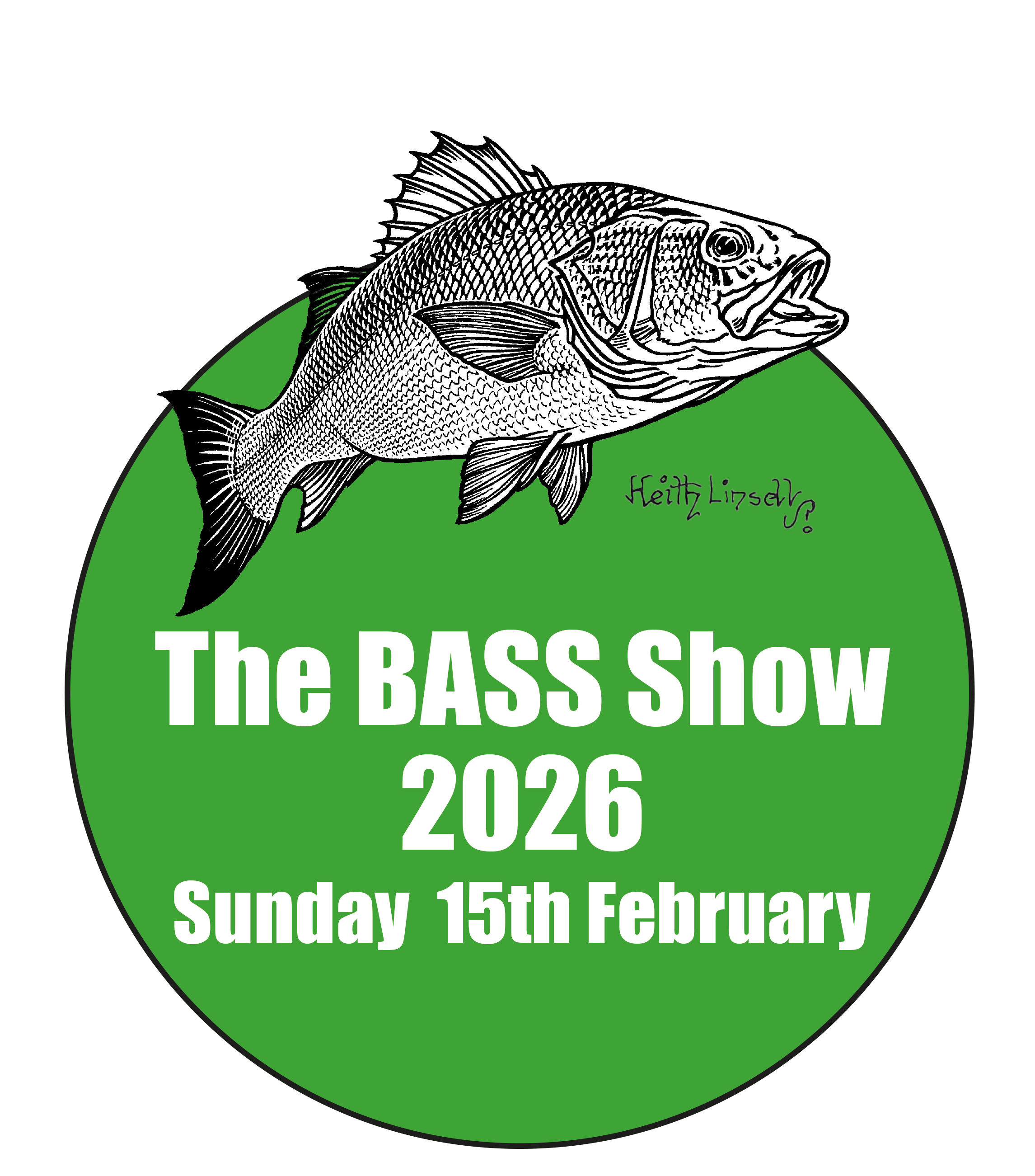
BASS will be delighted to welcome a number of scientists at our annual event in Cheltenham on Sunday 15th February. This blog provides some detail on the science related talks, and we will add some details of the other presentations on lure fishing and bass fishing politics separately.
The science related talks are split into two sessions either side of the lunch break. Session 1 is focusses on Bass stock assessment and advice and Session 2 on BASS-supported research projects. In session 1 Professor Kieran Hyder of CEFAS will give a talk entitled “What goes into generating sea bass catch advice?” and Robin Bradley will show a short film about juvenile bass surveys in Cornwall. In Session 2 Professor Gordon Watson will give a talk about the Competitive Angling as a Scientific Tool (CAST) project and PhD student Rachel Turnbull will give a talk entitled “Can we predict juvenile bass growth rate?”
Please scroll down for abstract and biographies of each presenter.
Kieran Hyder
What goes into generating sea bass catch advice?
Kieran Hyder1,2
1 Centre for Environment, Fisheries and Aquaculture Science (Cefas), Pakefield Road, Lowestoft, Suffolk NR33 0HT, UK
2 School of Environmental Sciences, University of East Anglia, Norwich Research Park, Norwich, Norfolk NR4 7TJ, UK
Abstract
Sea bass is a high value fish that is exploited by both commercial and recreational fisheries. Scientific assessments of sea bass are done each year to generate catch advice on the tonnage of fish that can be taken each year without damaging the stock. This limit is used to set management for commercial and recreational fisheries. This talk will provide a short summary of the data and approach used to generate the catch advice.
Bio
Kieran Hyder is a Principal Fisheries Scientist at Cefas, which is part of the UK government. His research centres on the application of science to support policy and management of fisheries. Kieran leads research, provides advice to Defra, and contributes to the stock assessment on sea bass. He is Honorary Professor at the University of East Anglia and has published over ninety peer-reviewed papers.
Robin Bradley
Juvenile bass surveys in Cornwall
Abstract
The Cornwall Bass Investigations Group carries out an annual programme of juvenile bass surveys on the Fal and Helford Estuaries. We would like to encourage groups to set up in other areas, in order to obtain a better picture of bass spawning and settlement success around the UK. I will present a short video which describes our work.
Bio
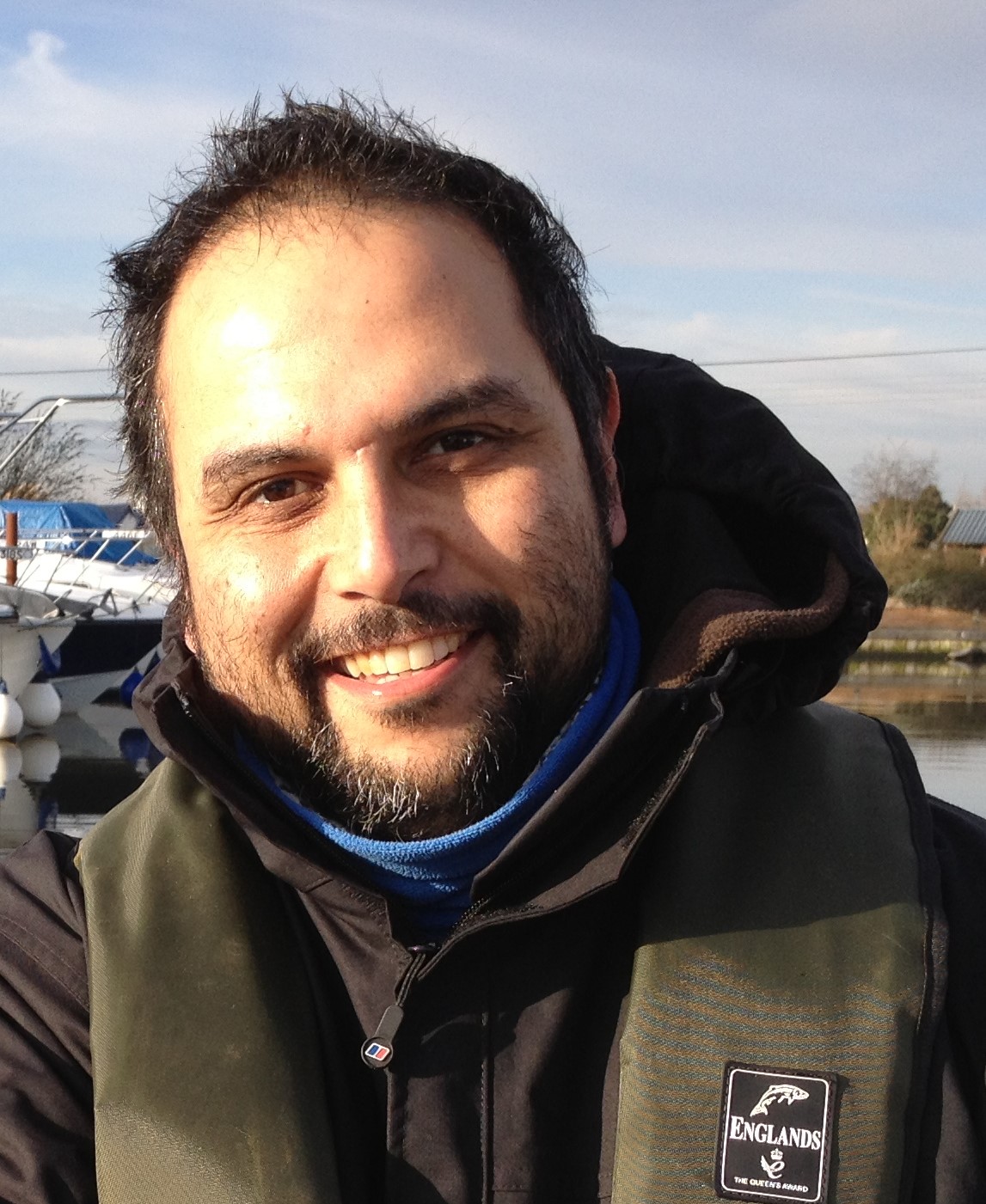
I am a lifelong bass angler, fishing with lures and bait in estuaries and on the open coast around Cornwall, as described in my book ‘A Bass Angler’s Life’. I have been a member of BASS since the 1990’s, serving in various capacities during that time – currently as science lead. I lead a group of citizen scientist volunteers who carry out juvenile bass surveys in Cornwall.
Gordon Watson
Competitive Angling as a Scientific Tool
Abstract
To make evidence-based management decisions for coastal fisheries to ensure sustainability, data are key. The challenge is the significant investment of people, time, and money so a popular strategy is the use of citizen scientists. Our collaborative and innovative solution has been to utilise data collated from competitive sea angling competitions. Since 2021, the Sea Angling Classic in the UK’s Solent region has provided thousands of geolocated images, generating length measurements of five data deficient, but economically important groups (European seabass, Black bream, skates & rays, Smoothhound and Tope) equating to over 350 boat days. The development of a standardised workflow including abundance data accounting for catch-per-unit-effort will provide a powerful, cost-effective approach to generating scientific evidence supporting UK Fisheries Management Plans.
Bio
I am a marine ecologist whose expertise lies in investigating the effects of humans on aquatic organisms through pollution and exploitation. Research interests include the role of conservation of coastal habitats and the effects of pollutants on benthic systems. Other areas include aquaculture for the marine aquarium trade and the management of coastal fisheries.

Rachel Turnbull
Can we predict juvenile bass growth rate?
Abstract
Understanding how fish grow and where they grow best is important for identifying the highest quality areas of juvenile habitat for management and conservation. However, directly measuring growth rate requires either catching the same individual more than once or labour-intensive otolith analysis. Here, we performed an experiment to explore how indices of juvenile bass condition and growth rate respond to food removal at 16 °C and 20 °C and develop a biochemical index of growth rate that we used to predict growth rates in the field.
Bio
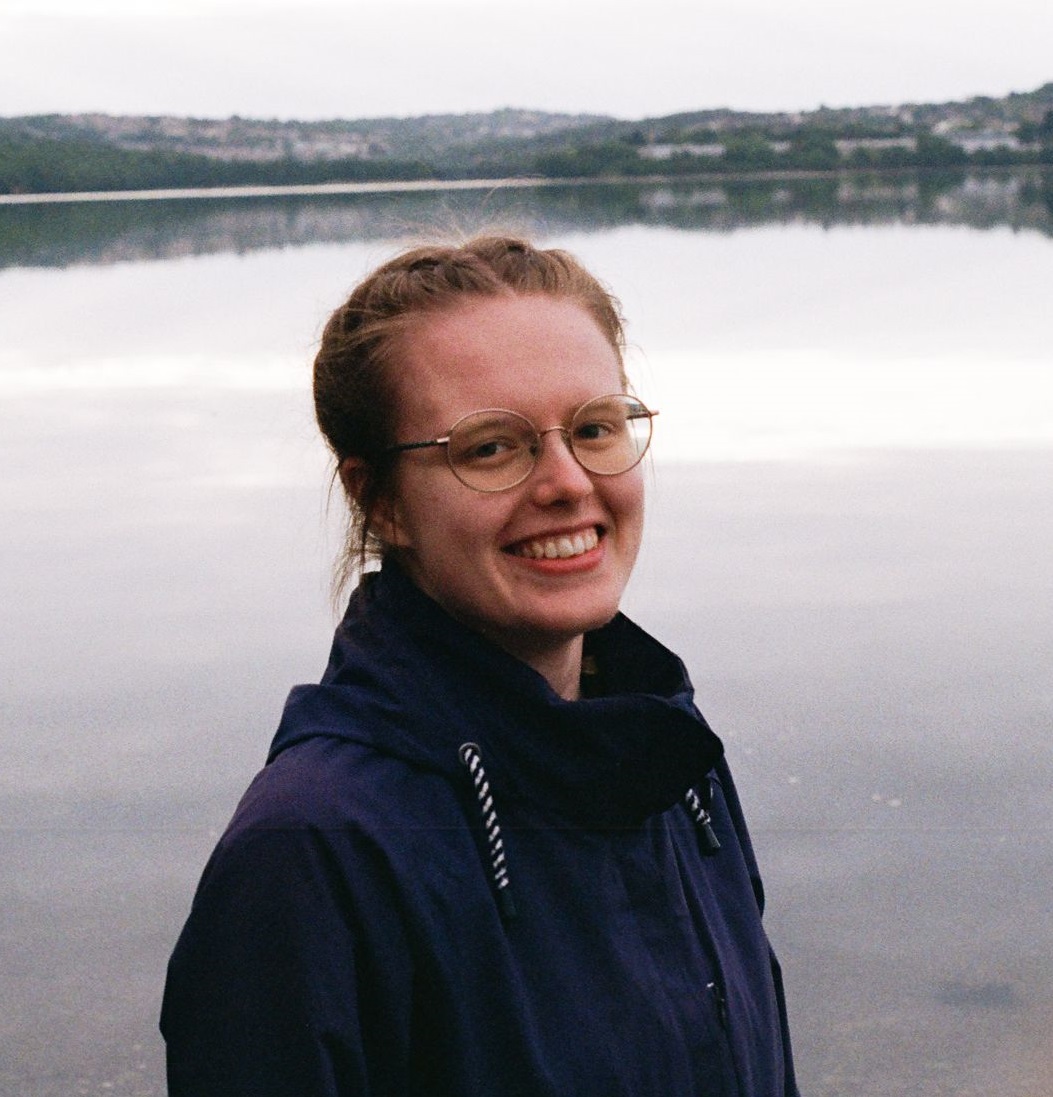
Rachel Turnbull is a PhD student at the University of Plymouth. Her research centres around juvenile bass in the southwest, identifying areas of high density and fast growth to support future management. Rachel is also a member of the International Council for the Exploration of the Seas (ICES) Working Group on the Value of Coastal Habitats for Exploited Species.